Steel connections are indispensable elements in construction and engineering, serving a critical role in ensuring structural integrity. They come in various forms and are classified based on their unique design characteristics. To make informed decisions regarding the most appropriate connections for a project, it is vital to familiarize oneself with the different types of steel connections and their specific properties.
Why Choose Alexander Steel for Your Connections?
Expertise: With over 30 years in the steel industry, we provide the knowledge and experience needed to deliver high-quality connections.
Customization: We understand that every project is unique and offer customized solutions to meet your specific needs.
Quality Assurance: All our connections are fabricated to the highest standards, ensuring durability and reliability. For more information on our steel connections or to discuss your project, please contact us today!
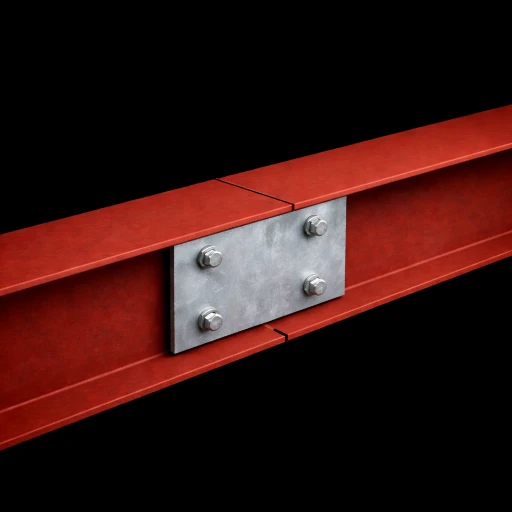
Splice 1
Purpose: Joins multiple sections of steel Key Benefit: Reduces the weight of long or heavy beams for easier installation Applications: Ideal for extending beams or columns.
Splice 2
Purpose: Joins multiple sections of steel Key Benefit: Reduces the weight of long or heavy beams for easier installation Applications: Ideal for extending beams or columns.
Splice 3
Purpose: Joins multiple sections of steel Key Benefit: Reduces the weight of long or heavy beams for easier installation Applications: Ideal for extending beams or columns.
Spacer Beam
Purpose: Provides support and spacing between beams, ensuring proper alignment. Applications: Essential for multi-layered structures.
Spacer PFC
Purpose: Joins multiple sections of steel Key Benefit: Reduces the weight of long or heavy beams for easier installation Applications: Ideal for extending beams or columns.
End Plate Connection
Purpose: Provides a joint between beams of columns. This process involves attaching an end plate to the end of a structural member. It requires aligning pre-drilled holes and inserting bolts through these holes to ensure a secure connection. Applications: beam to beam and beam to column connections
Moment Connection
Purpose: Provides rigidity and transfers moments between connected members. Applications: Crucial for maintaining stability under loads
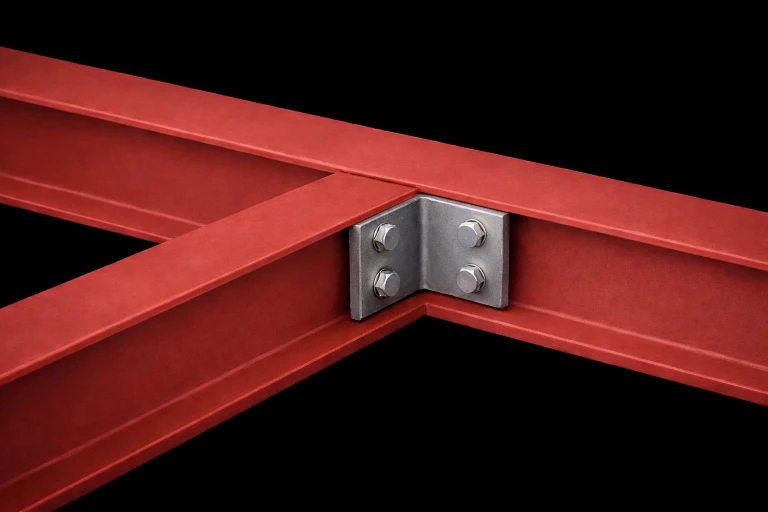
Cleat
Description: A bracket connecting two steel members at a right angle. Applications : Often used in trusses and bracing applications.
Base Plate
Description: Distributes the load from a column to the foundation Applications : Ensures stability under various load requirements
End Plate
Purpose: Provides a joint between beams of columns. This process involves attaching an end plate to the end of a structural member. It requires aligning pre-drilled holes and inserting bolts through these holes to ensure a secure connection. Applications: beam to beam and beam to column connections
90° Crank
Purpose : Connects beams at a right angle, incorporating a crank for support Applications: Cranked beams are commonly used to support roof structures, so the angle of the middle member must match the roof’s pitch
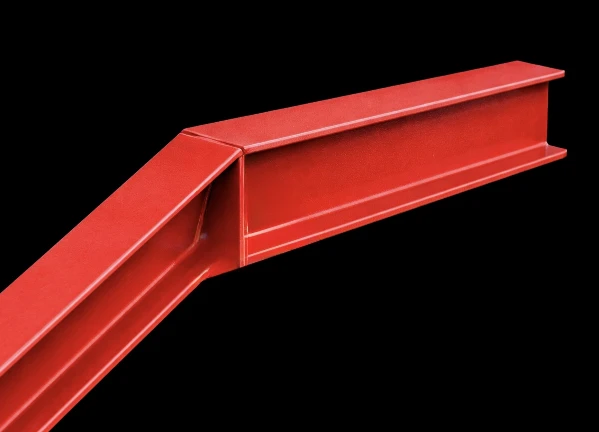
90° Kink
Purpose: Incorporates a kink to create a bend, enhancing load-bearing capabilities. Applications: For situations where a beam requires support from a column but a bolted connection is not feasible.
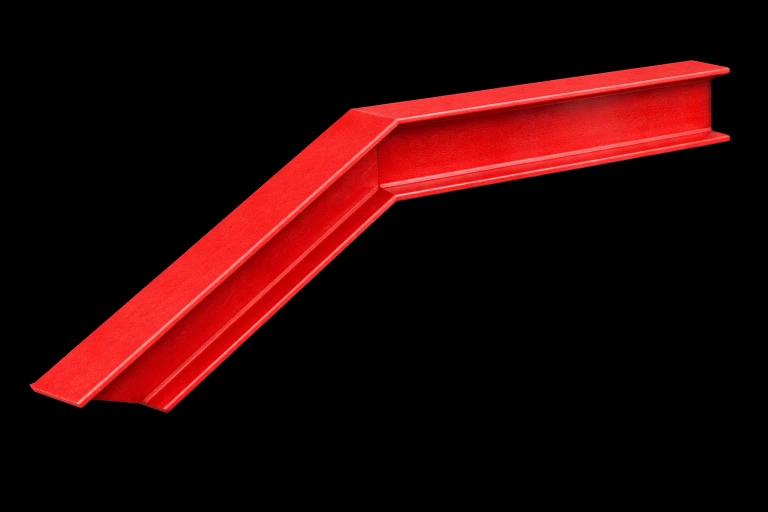
Angle Kink
Purpose: a single kink that follows the pitch of the roof is adequate for the support required, and the end of the beam is supported without the need for an additional vertical column.
Kink with Plate
Purpose: this type of connection is utilized when joining two pieces of varying sizes
Gusset
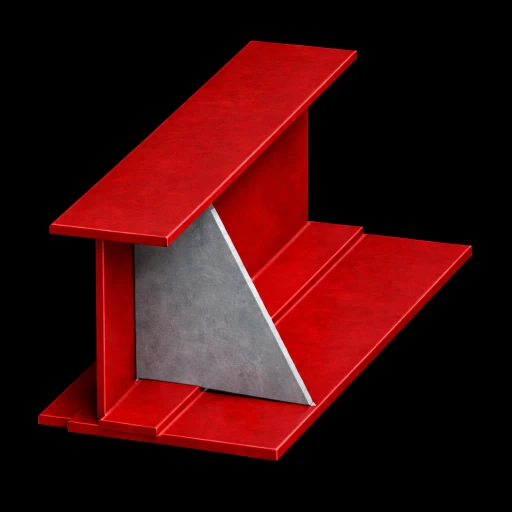
Purpose : A triangular plate providing additional stiffness Application: To enhance the stiffness of the structure, it is commonly used to support the outer edge of a bottom plate welded to a beam
Plate Bottom
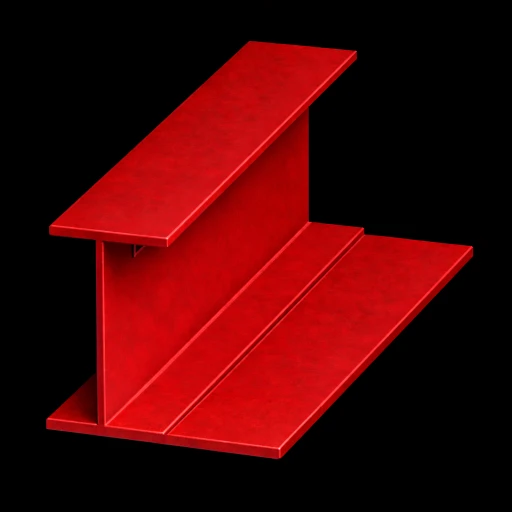
Purpose – A bottom plate is added to a beam in order to support brickwork or timber joists
Plate Top
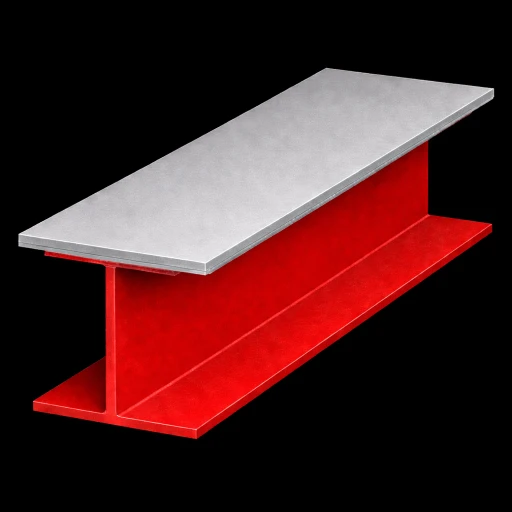
Purpose – A top plate is added when the required beam is smaller than the wall it is carrying above
Tab
Purpose– To provide an anchor point between a column and walls
Gallow Bracket
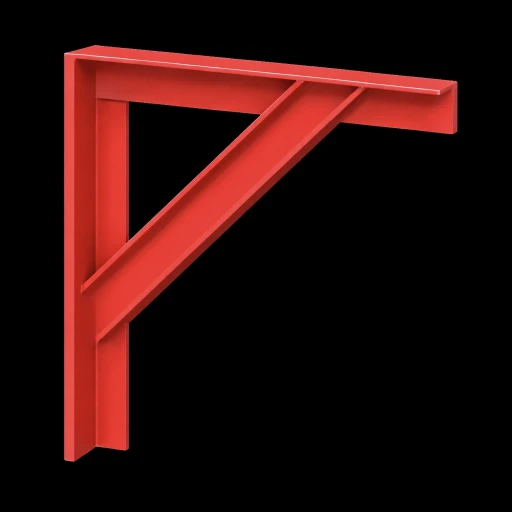
Purpose – steel gallows brackets are used to support the weight of the chimney and ensure stability. they help distribute the load to the surrounding structure, preventing sagging or structural issues, especially when the chimney extends above the roofline or when modifications to the chimney breast are made.
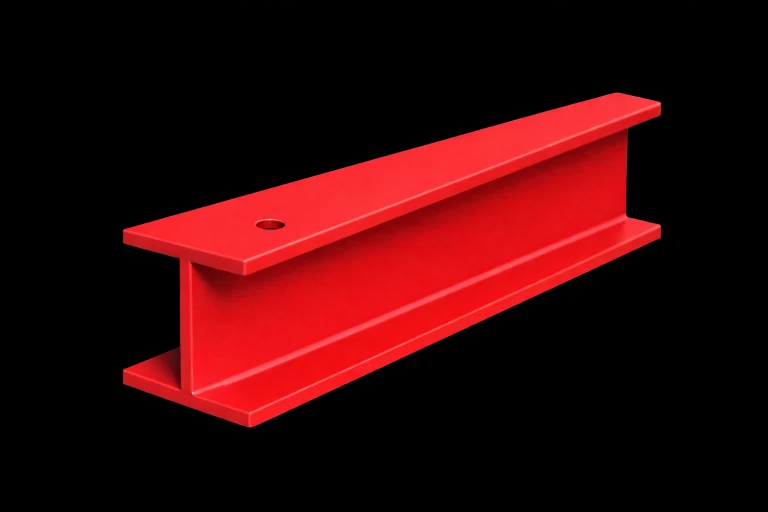
Purpose – Drilled within the web or flange for various applications such as anchoring or bolting a wall plate to the steel
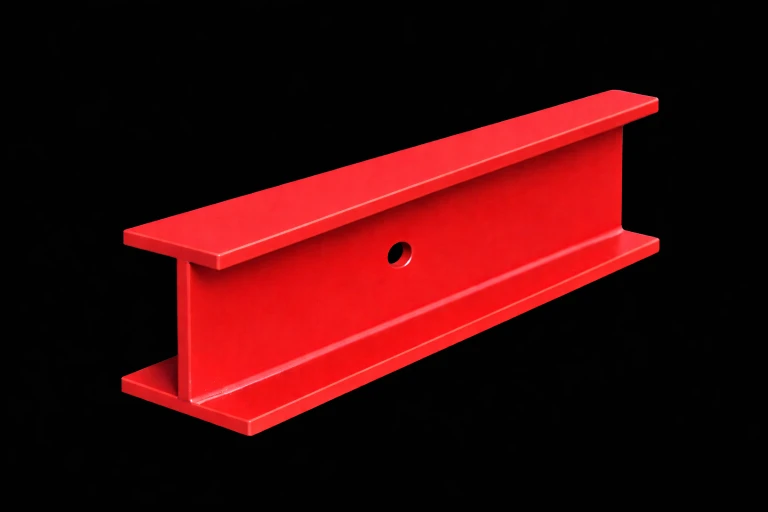
Hole Web
Purpose – Holes are drilled in the web of the beam to allow timber joists to be attached on both sides. Timber joist hangers are then secured to the beam, enabling floor joists to span from them. Steel beams can also be bolted together in the web and secured with nuts